Back to Blogs

What to Expect From Deep Periodontal Cleaning

Deep periodontal cleaning treats gum disease by removing plaque and tartar below the gumline, restoring gum health and preventing tooth loss.

October 7, 2026
•
2 min read
Adam holds an ice pack to his cheek and sips water from a glass while sitting at a kitchen island.
Back to Blogs

What to Expect From Deep Periodontal Cleaning

Adam holds an ice pack to his cheek and sips water from a glass while sitting at a kitchen island.

Deep periodontal cleaning treats gum disease by removing plaque and tartar below the gumline, restoring gum health and preventing tooth loss.

October 7, 2026
•
2 min read

Understanding Deep Periodontal Cleaning

Deep periodontal cleaning, also known as scaling and root planing, is a specialized procedure designed to treat gum disease by removing plaque, calculus, and bacteria from both above and below the gumline. It is crucial for preventing the progression of periodontitis, which can lead to tooth loss if left untreated.

This advanced dental cleaning goes beyond a standard prophylactic cleaning, focusing on the root surfaces of your teeth. The goal is to eliminate irritants that cause inflammation and infection, allowing your gums to heal and reattach more firmly to your teeth. Dr. Anna de Leon at The Dental Method emphasizes that this targeted approach is often the first line of defense against moderate to severe gum disease.

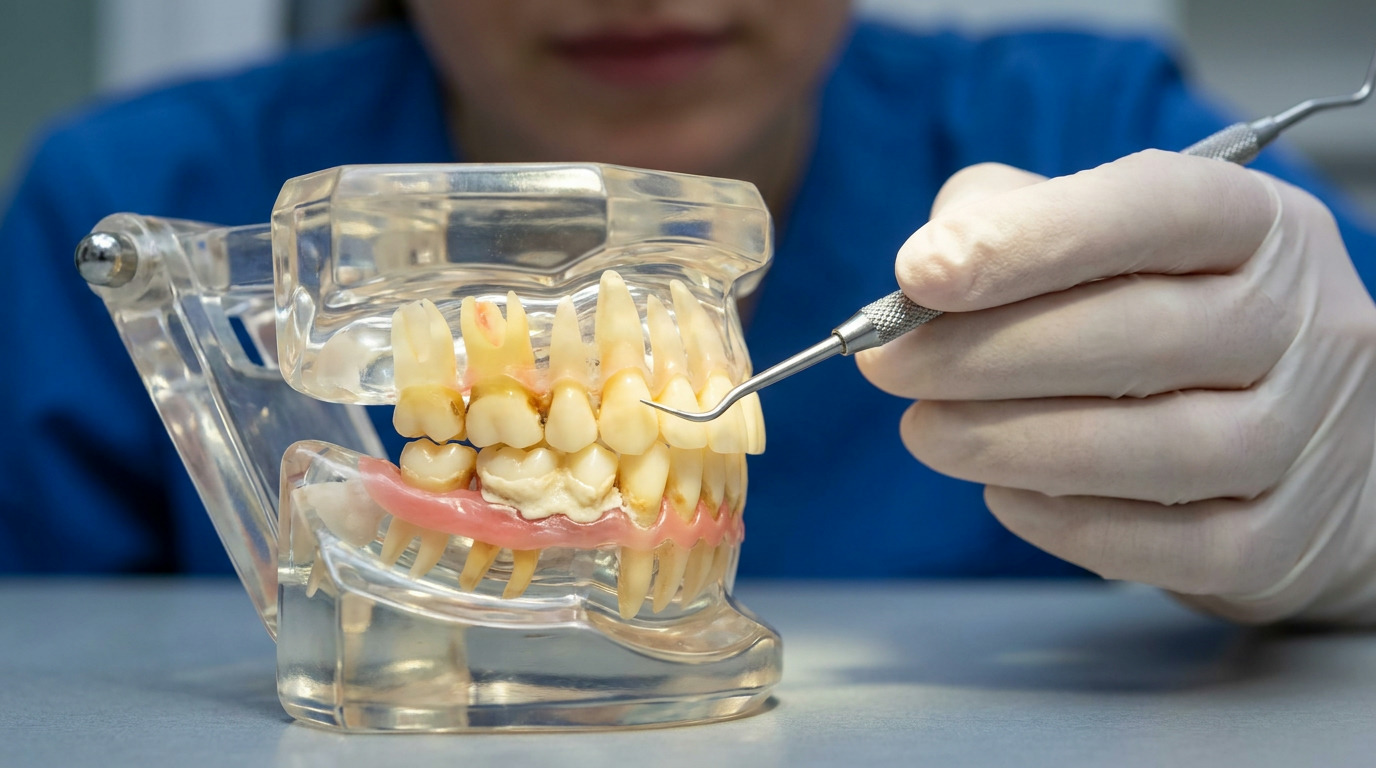
A person in a blue scrub top and white glove uses a dental scaler to point at a clear dental model showing teeth with plaque and calculus buildup.

Why Is Deep Periodontal Cleaning Necessary?

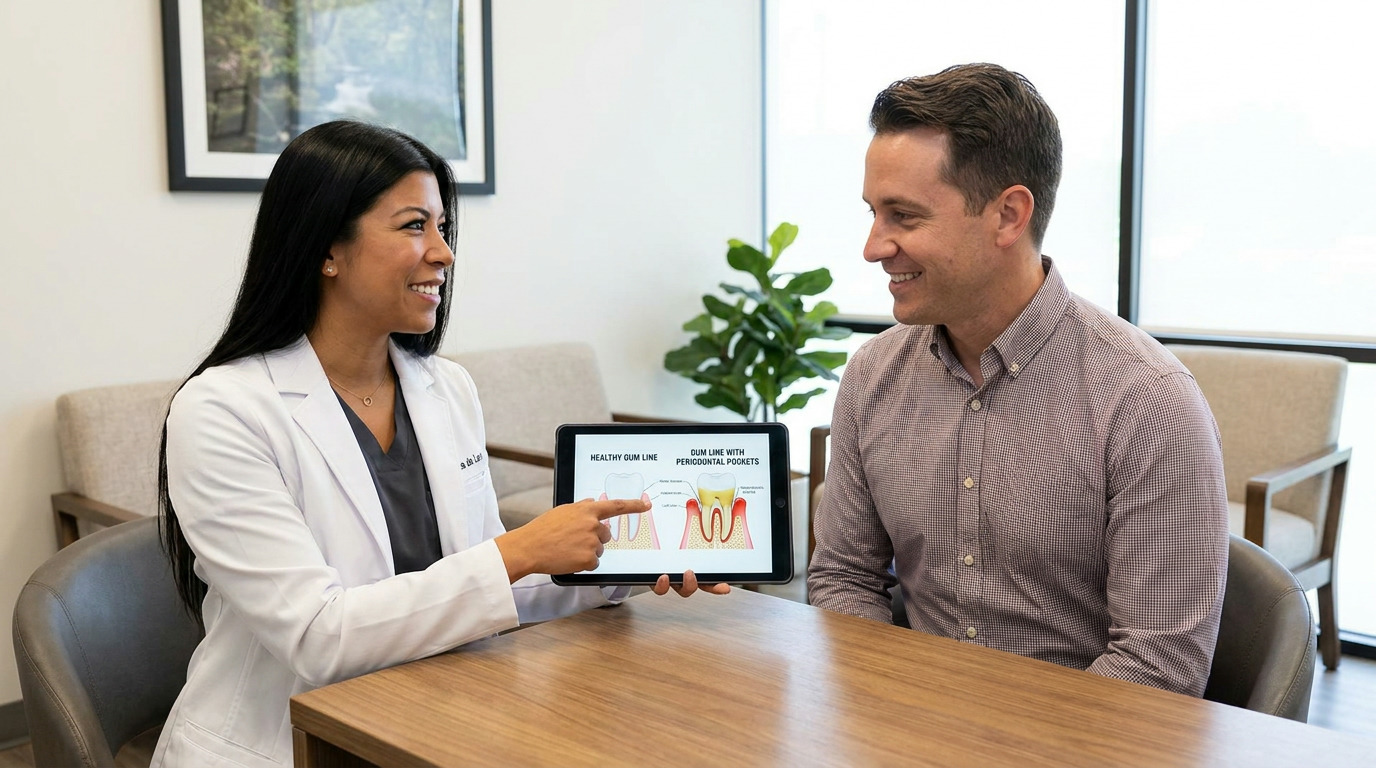
Deep periodontal cleaning becomes necessary when gingivitis progresses to periodontitis, characterized by persistent gum inflammation, bleeding, and the formation of pockets between teeth and gums. These pockets harbor bacteria that regular brushing and flossing cannot reach effectively.

Without intervention, these bacterial pockets deepen, destroying the bone and tissue that support your teeth. Dr. Anna de Leon often recommends this procedure after a thorough dental exam and X-rays reveal signs of bone loss or significant pocket depths. It's a critical step to halt the disease's progression and preserve your oral health.

Signs You Might Need Deep Cleaning

  • Persistent bad breath: Caused by bacteria accumulating in gum pockets.
  • Bleeding gums: Especially during brushing or flossing, indicating inflammation.
  • Red, swollen, or tender gums: Classic signs of gum infection.
  • Receding gums: When your teeth appear longer due to gum tissue pulling away.
  • Loose teeth: A late-stage sign of significant bone loss.
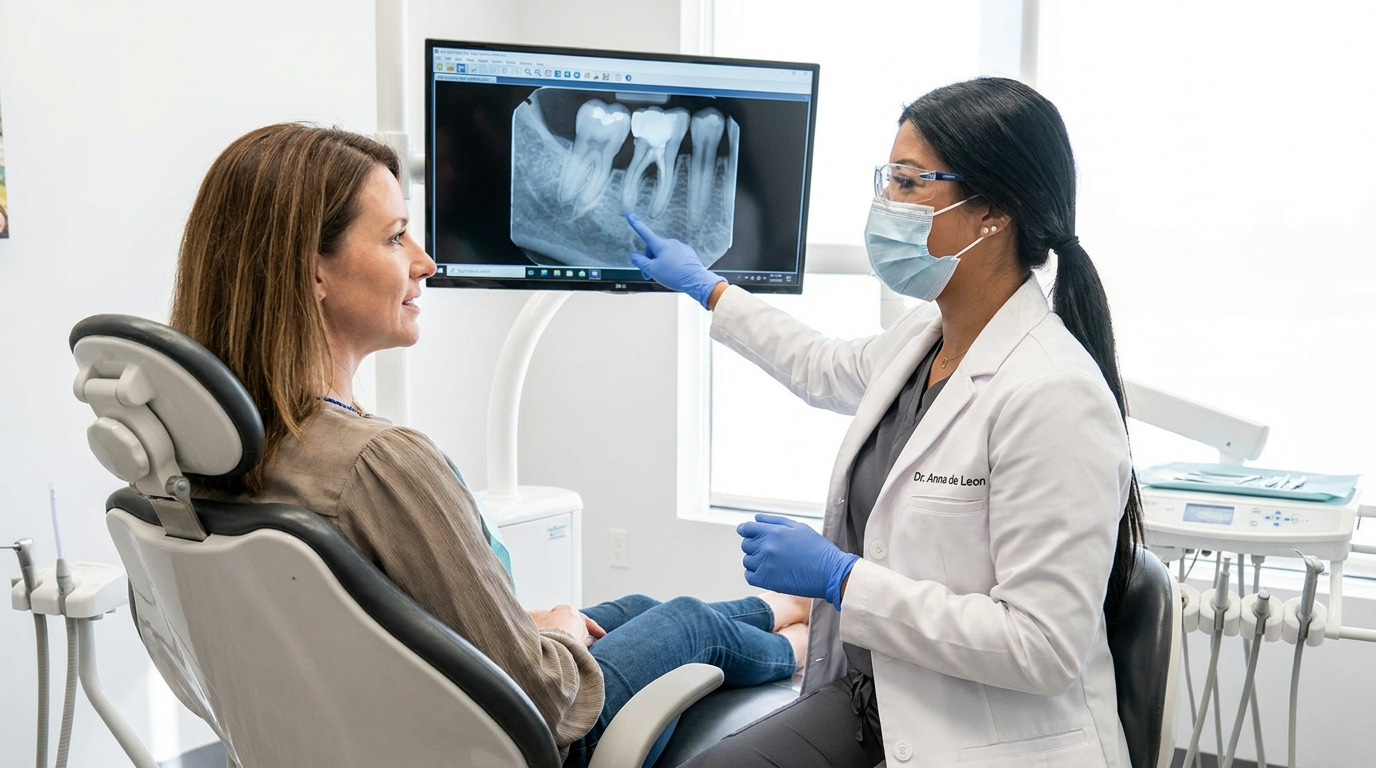
A patient in a dental chair looks at a monitor where Dr. Anna de Leon, wearing a lab coat, mask, and gloves, points to a dental X-ray.

How Does Scaling and Root Planing Work?

Scaling and root planing involves two primary steps: scaling, which removes plaque and tartar from tooth surfaces and below the gumline, and root planing, which smooths the root surfaces to prevent bacteria from reattaching. This is typically done under local anesthesia for patient comfort.

The process often requires multiple appointments, usually one or two quadrants of the mouth per visit, to ensure thorough cleaning and minimize discomfort. Dr. Anna de Leon uses specialized instruments, including ultrasonic devices and hand scalers, to meticulously clean the affected areas. This comprehensive approach is much more involved than a routine dental cleaning.

The Deep Cleaning Procedure

  • Numbing: Local anesthetic is administered to numb the gums and surrounding tissues, ensuring a comfortable experience.
  • Scaling: Dental hygienists or Dr. de Leon carefully remove plaque and tartar deposits from the tooth surfaces and beneath the gumline.
  • Root Planing: The root surfaces are then smoothed to remove bacterial toxins and make it harder for plaque to accumulate again, promoting gum reattachment.
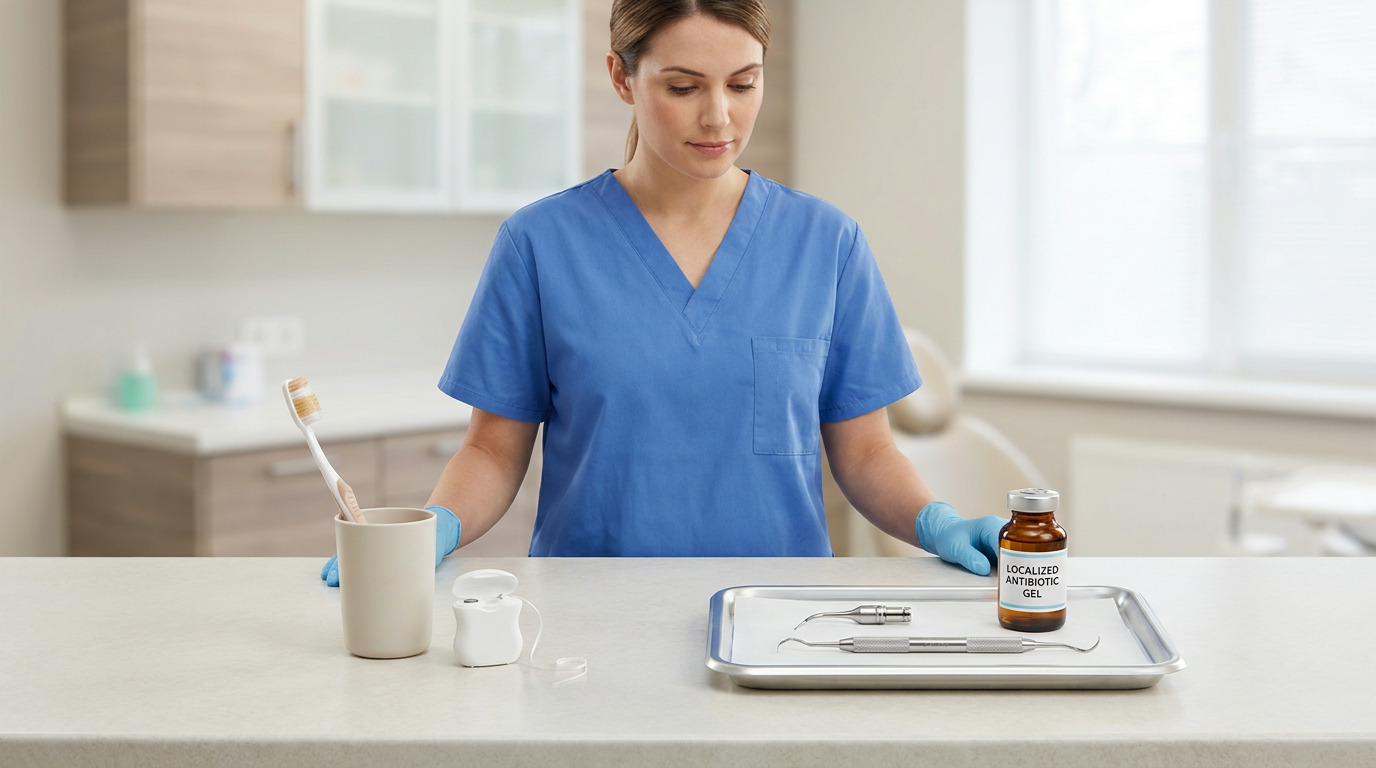
  • Antibiotic Application (optional): In some cases, a localized antibiotic may be applied to deep pockets to further aid healing and reduce bacterial load.
  • Follow-up: A follow-up appointment is typically scheduled to assess healing and reinforce oral hygiene practices.
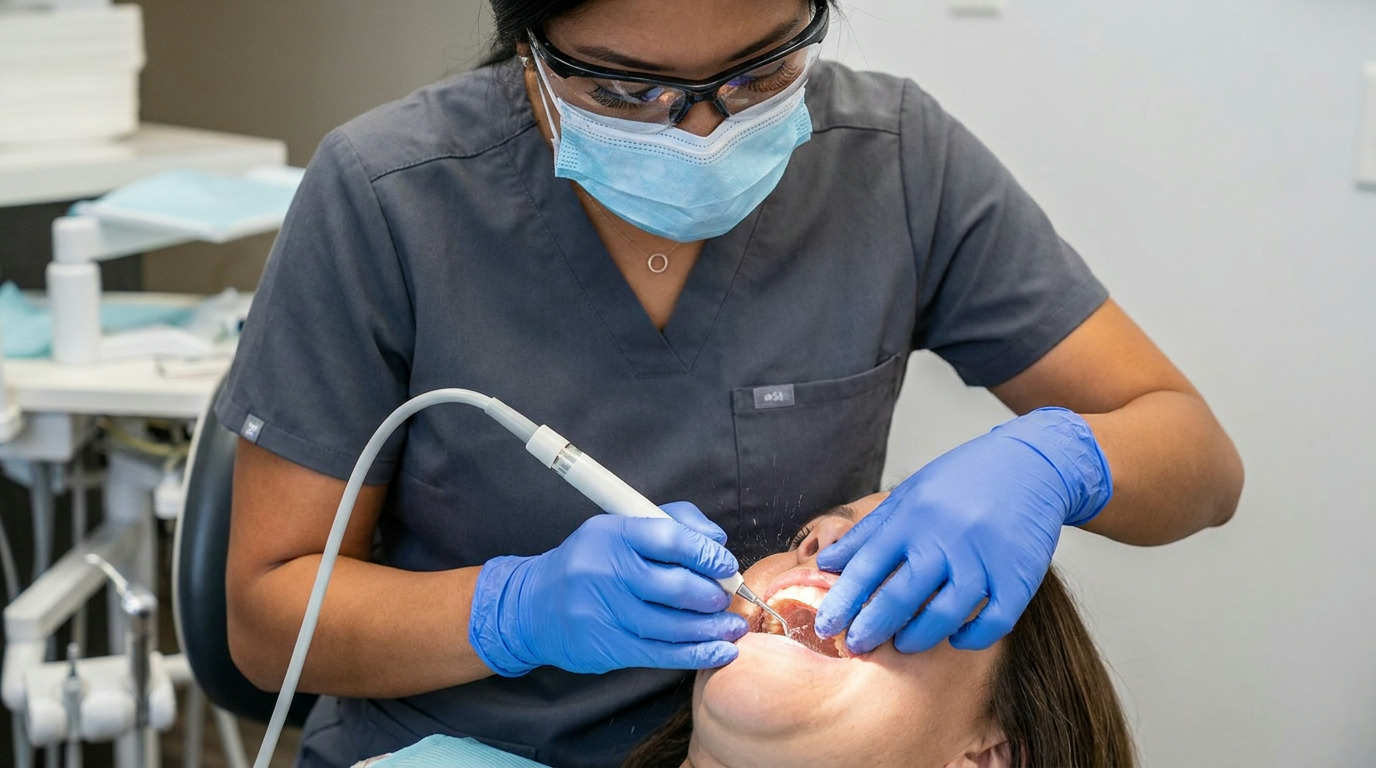
Dr. Anna de Leon, wearing scrubs, safety glasses, and a mask, uses an ultrasonic scaler on a patient's open mouth, while wearing blue gloves.

What to Expect During Your Appointment

During your deep cleaning appointment at The Dental Method, you can expect a focused and thorough treatment designed for your comfort. Dr. Anna de Leon and her team prioritize your well-being, often using local anesthesia to ensure the procedure is pain-free. Each session typically lasts about 60-90 minutes.

You might feel some pressure during the cleaning as instruments work beneath the gumline, but any significant pain should be alleviated by the anesthetic. Our team in Dallas, TX, will explain each step as they go, ensuring you feel informed and relaxed. We encourage you to communicate any discomfort immediately so adjustments can be made.

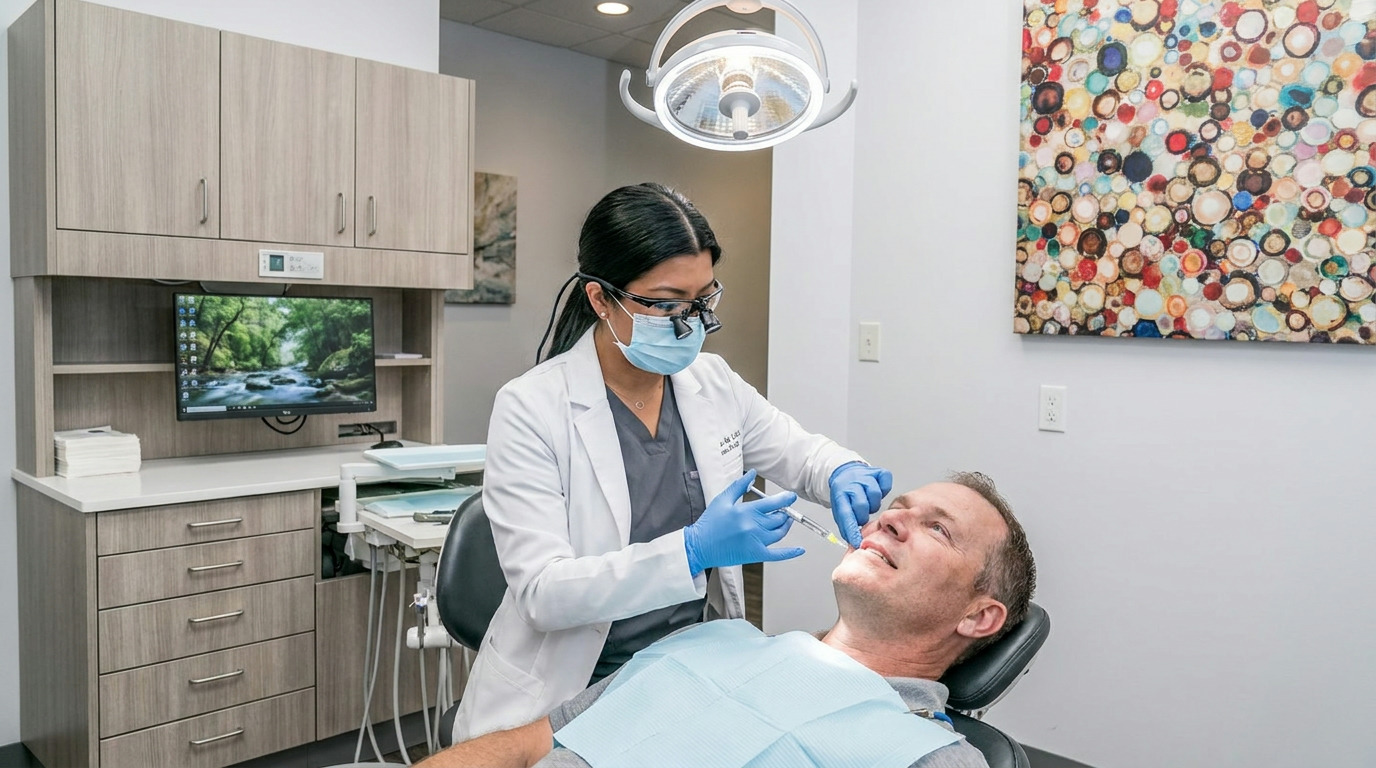
Dr. Anna de Leon, wearing a mask and loupes, administers an injection to a male patient reclined in a dental chair, in a modern operatory with cabinets and abstract art.

Schedule Your Consultation Today

If you suspect you may need a deep periodontal cleaning, or if it's been a while since your last comprehensive dental exam, contact The Dental Method. Dr. Anna de Leon and our compassionate team in Dallas, TX, are here to assess your oral health needs and develop a personalized treatment plan.

Deep Cleaning Recovery and Aftercare

After a deep periodontal cleaning, patients typically experience mild to moderate discomfort, sensitivity, and gum soreness for a few days. Following specific aftercare instructions from Dr. Anna de Leon is crucial for proper healing and to maximize the treatment's effectiveness.

The recovery period is usually short, lasting only a few days to a week. During this time, it's essential to be gentle with your gums and maintain excellent oral hygiene. Our team at The Dental Method will provide you with detailed guidelines tailored to your individual needs, ensuring a smooth recovery process.

Key Aftercare Tips

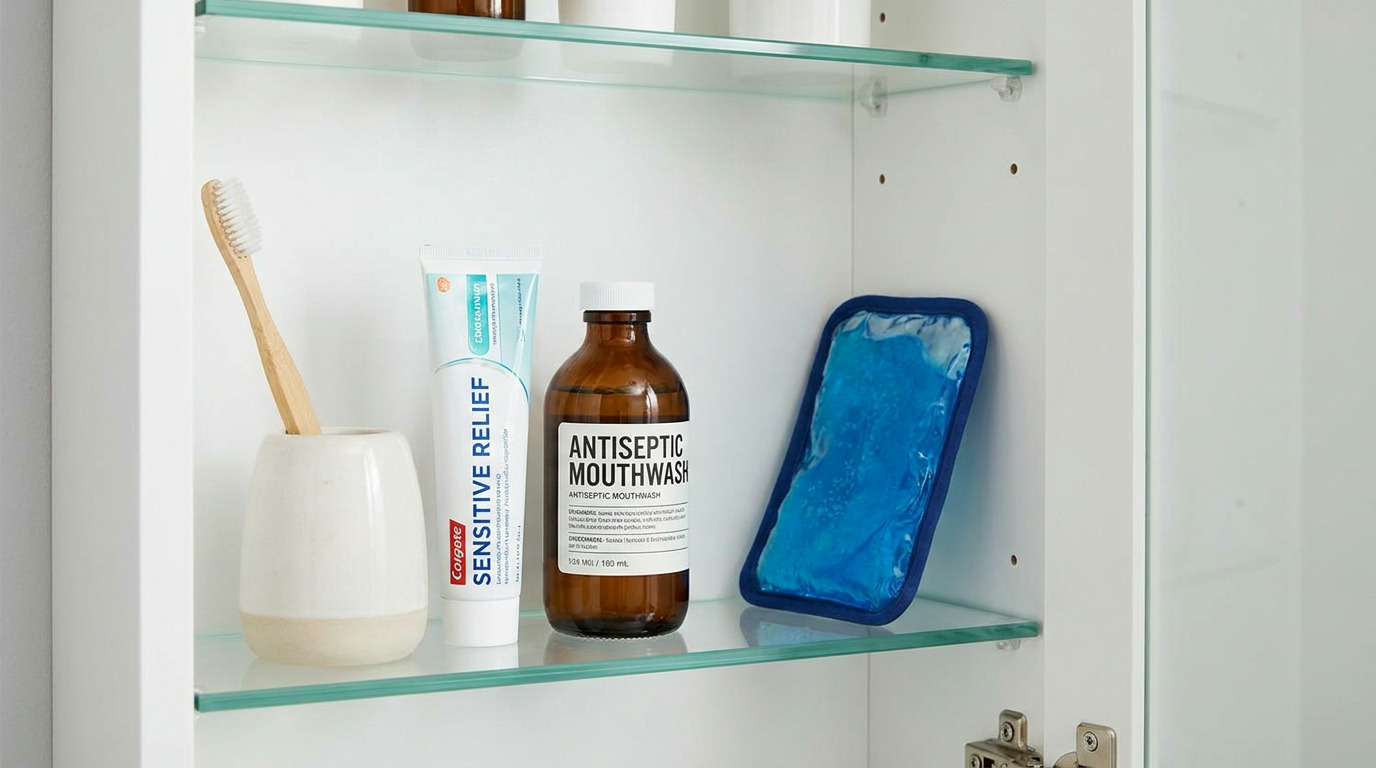
  • Manage Discomfort: Over-the-counter pain relievers like ibuprofen can help with soreness. Cold compresses may also reduce swelling.
  • Eat Soft Foods: For the first few days, choose soft, non-acidic, and non-spicy foods to avoid irritating your sensitive gums.
  • Gentle Brushing & Flossing: Brush gently with a soft-bristled toothbrush and floss carefully around the treated areas. You might be advised to rinse with a prescription antiseptic mouthwash.
  • Avoid Irritants: Steer clear of alcohol, tobacco, and extremely hot or cold foods and drinks, which can exacerbate sensitivity.
  • Follow-Up Care: Attend all scheduled follow-up appointments with Dr. Anna de Leon to monitor your healing and assess the need for ongoing maintenance cleanings.
A white medicine cabinet holds a wooden toothbrush in a cup, a tube of sensitive toothpaste, a brown bottle of antiseptic mouthwash, and a blue ice pack on a glass shelf.

How Deep Cleaning Differs From Regular Cleanings

The primary difference between deep periodontal cleaning and a regular cleaning lies in their scope and purpose. A regular cleaning focuses on maintaining oral health by removing plaque and tartar above the gumline in healthy mouths, while deep cleaning addresses active gum disease by treating areas below the gumline and smoothing root surfaces.

Regular cleanings are preventative and generally performed every six months. Deep cleaning, or scaling and root planing, is a therapeutic procedure prescribed to treat existing periodontal disease. It targets bacterial infection in gum pockets, aiming to stop the progression of bone loss and inflammation.

A dental professional in blue scrubs and gloves stands behind a counter with a toothbrush, floss, dental tools, and a bottle of localized antibiotic gel.

Long-Term Benefits and Maintenance

The long-term benefits of deep periodontal cleaning are significant, including reduced gum inflammation, prevention of bone and tooth loss, and improved overall oral health. However, the success of the treatment heavily relies on consistent at-home oral hygiene and regular maintenance appointments.

After your deep cleaning, Dr. Anna de Leon will likely recommend more frequent recall appointments, typically every three to four months, for what are often called "periodontal maintenance" cleanings. These specialized cleanings are crucial to prevent the re-accumulation of bacteria and keep gum disease at bay, protecting your investment in your oral health.

Maintaining Your Oral Health After Deep Cleaning

  • Consistent Brushing: Brush twice daily with a soft-bristled toothbrush for at least two minutes, focusing on the gumline.
  • Daily Flossing: Floss daily to remove plaque and food particles from between teeth and below the gumline.
  • Antiseptic Mouthwash: Use an antimicrobial mouthwash as recommended by Dr. de Leon to further control bacterial growth.
  • Quit Smoking: Smoking significantly hinders gum healing and increases the risk of gum disease recurrence.
  • Regular Perio Maintenance: Attend all scheduled periodontal maintenance appointments at The Dental Method in Dallas to ensure your gums remain healthy.
A man in a gray t-shirt brushes his teeth over a white sink with running water, illuminated by natural light from a window.

What This Means for You

If you're experiencing symptoms like bleeding gums, persistent bad breath, or increased tooth sensitivity, it's essential to seek professional dental care promptly. These could be early indicators of gum disease that, if left untreated, can lead to serious health issues, including tooth loss and even systemic health problems. Deep periodontal cleaning, performed by experienced professionals like Dr. Anna de Leon at The Dental Method, offers a critical intervention to restore your gum health and protect your smile. Her team is dedicated to providing personalized, compassionate care, ensuring you understand every step of your treatment. Investing in your periodontal health through a deep cleaning can not only save your teeth but also contribute positively to your overall well-being. Don't delay addressing these concerns; early intervention is key to effective treatment outcomes and maintaining a vibrant, healthy smile.

Dr. Anna de Leon, in a white lab coat, points at a tablet showing a dental diagram of healthy and unhealthy gums while smiling at a male patient in a button-up shirt, both seated at a wooden table.
Categories:
No items found.

Frequently Asked Questions

1. What is deep periodontal cleaning?
Deep periodontal cleaning, or scaling and root planing, is a non-surgical procedure to treat gum disease by removing plaque and tartar from above and below the gumline and smoothing tooth roots.

2. How do I know if I need a deep cleaning?
You might need it if you have persistent bleeding gums, red/swollen gums, bad breath, or loose teeth. A thorough dental exam confirms the diagnosis.

3. Is deep cleaning painful?
Local anesthesia is typically used to ensure comfort during the procedure. You might experience some pressure, but significant pain should be minimal.

4. How long does recovery take after deep cleaning?
Most patients experience mild discomfort and sensitivity for a few days, typically resolving within a week.

5. What's the difference between a regular cleaning and a deep cleaning?
A regular cleaning maintains healthy gums, while a deep cleaning treats existing gum disease by cleaning below the gumline and smoothing root surfaces.

6. How many appointments are needed for a deep cleaning?
Often, two appointments are required to treat different sections of the mouth, ensuring thoroughness and patient comfort.

7. What should I do after my deep cleaning?
Follow Dr. Anna de Leon's aftercare instructions, including gentle brushing, soft foods, and attending follow-up maintenance appointments.

8. Can gum disease return after a deep cleaning?
Yes, without consistent home care and regular periodontal maintenance cleanings, gum disease can recur.

9. Will my insurance cover deep periodontal cleaning?
Many dental insurance plans offer coverage for periodontal treatments. Our team can help verify your benefits.

10. Who performs deep periodontal cleaning?
Deep periodontal cleaning is performed by a dentist, like Dr. Anna de Leon, or a dental hygienist under her supervision.

GET IN TOUCH

Schedule Your Visit

Ready to experience luxury dental care? Contact us today to schedule your appointment.

  • LOCATION

    5757 W Lovers Ln #109,
    Dallas, TX 75209
  • PHONE

    (214) 227-6775
    Call us for appointments
  • EMAIL

    dallas@thedentalmethod.com
    We'll respond within 24 hours
  • HOURS

    Mon - Thu: 8:00 AM - 4:00 PM
    Fri: 8:00 AM - 3:00 PM
    Sat - Sun: Closed

Thank you for booking your appointment!

We’ve received your request and will contact you soon to confirm the details. We look forward to seeing you at The Dental Method.

Oops! Something went wrong while submitting the form.
RELATED BLOG POSTS

Stay Informed with Expert Insights & Tips About Dental Care

Jason, wearing a teal shirt, sips water from a glass while his finger touches his front teeth, looking out a window in a cafe.

5 Aesthetic Dentistry Options for a Transformed Smile

Exploring aesthetic dentistry options like teeth whitening, bonding, and veneers can profoundly enhance a smile, boosting confidence and well-being.

9.9.2026
READ MORE
A dental implant with a white crown sits on a brushed metal stand next to a stack of coins, a receipt, and a blurred October calendar.

Finding Affordable Dental Implants in Dallas

Finding affordable dental implants in Dallas involves understanding cost factors, exploring financing options, and asking essential questions to secure a lasting solution.

8.6.2026
READ MORE
Eric, in a rust turtleneck, on a sunlit balcony, tests a green leaf against his new dental restoration.

What Is Full Arch Restoration and Who Is a Good Candidate?

Missing teeth? Full arch restoration replaces an entire arch of teeth with a permanent, stable bridge attached to dental implants, improving oral health and confidence.

7.10.2026
READ MORE